- /
First-Time Homebuyer Guide to Orlando, Florida: 10 Things to Know

First-Time Homebuyer Guide to Orlando, Florida: 10 Things You Need to Know in 2026
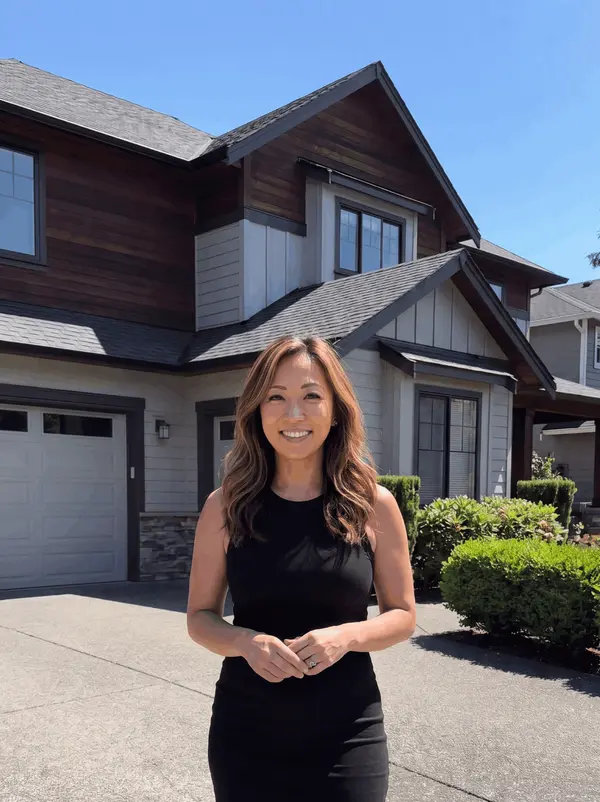
By Agustine Grace | REALTOR® with LPT Realty | Move With Grace
Buying your first home is an exciting milestone, but it can also feel overwhelming. Between mortgage options, down payments, credit scores, inspections, and closing costs, there's a lot to understand before receiving the keys to your new home.
If you're considering buying your first home in Orlando, Lake Nona, St. Cloud, Kissimmee, or surrounding Central Florida communities, you're in the right place.
I'm Agustine Grace, a local REALTOR® with LPT Realty, specializing in Lake Nona and Greater Orlando. I believe buying a home should be an informed and rewarding experience, not a confusing one.
Whether you're just starting to explore your options or preparing to make an offer, here are 10 important things to know before purchasing your first home in 2026.
1. You Don't Need 20% Down to Buy a Home
One of the biggest misconceptions about homeownership is that buyers must save 20% of the purchase price before purchasing a home.
Fortunately, several mortgage programs allow qualified buyers to purchase with less.
Common mortgage options include:
-
Conventional loans: Certain programs allow eligible buyers to put as little as 3% down.
-
FHA loans: Qualified buyers may purchase with a down payment as low as 3.5%.
-
VA loans: Eligible military borrowers may qualify for zero down payment.
-
USDA loans: Eligible buyers purchasing qualifying properties may obtain financing without a down payment.
For example, a 3.5% down payment on a $350,000 home would be $12,250, excluding closing costs.
The right financing option depends on your credit, income, financial circumstances, and property eligibility.
Official resources:
-
FHA Home Loans — U.S. Department of Housing and Urban Development
-
VA Home Purchase Loans — U.S. Department of Veterans Affairs
2. Understand Your Credit Score Before Applying
Your credit score plays an important role in determining mortgage eligibility and the interest rate you may receive.
While some conventional loan programs commonly use a minimum credit score around 620, FHA financing may accommodate certain borrowers with lower scores, depending on down payment and lender requirements.
However, lenders evaluate more than your credit score.
They also consider your employment, income, existing debts, savings, and debt-to-income ratio.
If you're thinking about buying within the next six to twelve months, review your credit report, make payments on time, and avoid unnecessary new debt.
You can obtain free credit reports through the federally authorized website, AnnualCreditReport.com.
For additional guidance, visit the Consumer Financial Protection Bureau's homebuying resources.
3. Get Pre-Approved Before Shopping for Homes
Before touring homes in Orlando, one of the smartest decisions you can make is getting pre-approved for a mortgage.
Pre-approval helps establish your purchasing budget and demonstrates to sellers that you've taken steps toward securing financing.
A lender will typically review your income, assets, credit, employment, and financial obligations.
Remember, the maximum amount you're approved to borrow isn't necessarily the amount you should spend.
Your monthly housing payment should comfortably fit your lifestyle and long-term financial goals.
I always encourage buyers to understand their complete monthly expenses before choosing a price range.
Helpful resource: CFPB — Your Home Loan Toolkit.
4. Understand the True Cost of Buying a Home in Florida
Your mortgage payment isn't the only expense associated with homeownership.
When purchasing a home in Central Florida, buyers should budget for several additional costs.
Property taxes: Florida property taxes vary by location, assessed value, exemptions, and local assessments. A seller's current tax bill may not reflect what a new buyer will pay.
Homeowners insurance: Insurance premiums vary based on property characteristics, location, coverage, and other factors.
HOA fees: Many communities have homeowners association fees covering certain shared amenities or services.
CDD assessments: Some master-planned neighborhoods, including communities around Lake Nona and St. Cloud, may have Community Development District assessments.
Maintenance: Set aside money for routine upkeep and unexpected repairs.
Florida homeowners who qualify may also benefit from the homestead exemption and Save Our Homes assessment limitation.
Learn more about Florida's Homestead Exemption and Property Taxes through the Florida Department of Revenue.
For insurance information, visit the Florida Department of Financial Services.
5. Explore Florida First-Time Homebuyer Assistance Programs
Did you know that eligible Florida homebuyers may qualify for down payment or closing cost assistance?
The Florida Housing Finance Corporation offers mortgage programs through participating lenders, along with assistance programs for qualifying borrowers.
Eligibility requirements can include income limits, purchase price limits, credit qualifications, and homebuyer education.
Some assistance is provided through a second mortgage that must eventually be repaid. It's important to understand the terms rather than assuming assistance is a grant.
Certain local governments also administer homebuyer assistance through the State Housing Initiatives Partnership (SHIP) program.
Program funding and availability can change, so always confirm current requirements with an approved lender or housing agency.
Explore Florida Housing's Homebuyer Resources for additional information.
6. Choose the Right Orlando Neighborhood for Your Lifestyle
Orlando offers a diverse selection of communities, from established neighborhoods to newer master-planned developments.
Here are several areas first-time buyers may want to explore.
Lake Nona: Known for Medical City, parks, recreation, modern communities, and proximity to Orlando International Airport. Housing options include townhomes, single-family homes, and new construction.
St. Cloud: Offers a mix of established neighborhoods and growing residential communities, with various home styles and price points.
Kissimmee: Features townhomes, single-family homes, and access to Central Florida employment and entertainment destinations.
Winter Garden: Known for its historic downtown, restaurants, shopping, trails, and residential communities.
East Orlando: Offers access to the University of Central Florida, employment centers, and a range of established and newer neighborhoods.
When choosing a location, consider commute times, monthly housing costs, nearby amenities, property restrictions, and your future plans.
The right neighborhood is the one that fits your needs, not simply the one receiving the most attention online.
7. New Construction or Resale: Which Is Better?
Central Florida buyers often have two choices: purchasing a newly built home or buying an existing property.
New construction homes may offer modern layouts, builder warranties, energy-efficient features, and possible builder incentives.
However, buyers should carefully review upgrade costs, HOA fees, CDD assessments, warranty coverage, and construction timelines.
Resale homes may offer mature landscaping, established neighborhoods, and opportunities to negotiate repairs or purchase terms.
Both options can be excellent choices depending on your budget and preferences.
One important tip: Even when purchasing directly from a builder, having your own REALTOR® can help you understand contracts, compare properties, and evaluate the purchase.
Builder representatives work for the builder. Discuss your representation before visiting a sales office, because builder policies may affect agent registration.
8. Never Overlook the Importance of a Home Inspection
A beautiful home isn't necessarily a problem-free home.
A professional home inspection can identify visible concerns involving the roof, plumbing, electrical systems, HVAC equipment, and other components.
Even newly constructed homes can benefit from independent inspections.
In Florida, insurance companies may also request a four-point inspection or wind mitigation report, depending on the property and coverage requirements.
Inspection findings may help buyers make informed decisions about repairs, negotiations, or additional evaluations, subject to the purchase contract.
For information about homeowners insurance and related inspections, visit the Florida Department of Financial Services.
9. Know What to Expect During the Homebuying Process
Understanding the process can make purchasing your first home much less intimidating.
Here is a simplified overview:
-
Consult with a REALTOR® to discuss your goals, preferred locations, and timeline.
-
Get mortgage pre-approval to understand your financing options.
-
Tour homes that meet your budget and preferences.
-
Submit an offer with appropriate terms and contingencies.
-
Complete inspections and evaluate any concerns.
-
Finalize financing and appraisal through your lender.
-
Review your closing documents and confirm your final expenses.
-
Close on your home and receive possession according to the contract.
Your lender should provide a Loan Estimate outlining projected mortgage costs and cash needed to close.
For most applicable mortgages, you'll also receive a Closing Disclosure before settlement.
Learn more about Understanding Your Loan Estimate and Comparing Mortgage Loan Offers through the Consumer Financial Protection Bureau.
10. Work With a Local REALTOR® Who Understands Your Goals
Buying your first home involves much more than searching online listings.
You need someone who listens carefully, understands the local market, explains your options, and helps you navigate important decisions.
As a REALTOR® serving Lake Nona and Greater Orlando, my approach begins with understanding what matters most to you.
Whether you're focused on affordability, location, lifestyle, or long-term investment potential, my goal is to provide the information and guidance you need to move forward confidently.
I believe every buyer deserves patience, clear communication, and personalized service throughout the journey.
Frequently Asked Questions About Buying a Home in Orlando
Is 2026 a good time to buy a home in Orlando?
That depends on your financial readiness, housing needs, and long-term goals. Rather than trying to perfectly time the market, focus on affordability and finding a property that meets your needs.
Can I buy a home in Florida with less than 20% down?
Yes. Qualified buyers may have access to conventional, FHA, VA, USDA, or assistance programs requiring significantly less than 20% down.
How much should I budget for closing costs?
Closing costs are often estimated at approximately 2%–5% of the purchase price, excluding the down payment. Actual costs vary based on the transaction, financing, insurance, and prepaid expenses.
Do I need a REALTOR® when buying new construction?
You aren't necessarily required to use one, but independent representation can help you review options, understand the process, and protect your interests.
Ready to Buy Your First Home in Orlando? Let's Move Forward Together!
Your first home is more than a real estate transaction. It's a new chapter, an opportunity to create memories, build stability, and invest in your future.
Whether you're just beginning your search or ready to tour homes, I'd love to help you understand your options and take the next step.
I'm Agustine Grace, REALTOR® with LPT Realty, proudly serving Lake Nona, Orlando, and surrounding Central Florida communities.
Let's discuss your goals and create a homebuying plan that works for you.
Visit MoveWithGrace.homes to connect with me.
Move With Grace — You Move Forward.
Disclaimer: Mortgage qualifications, program availability, financing terms, and assistance eligibility are subject to change. Consult a licensed mortgage lender and the appropriate government agency for current requirements.